
2026 to be a pivotal year for Electric Vehicles
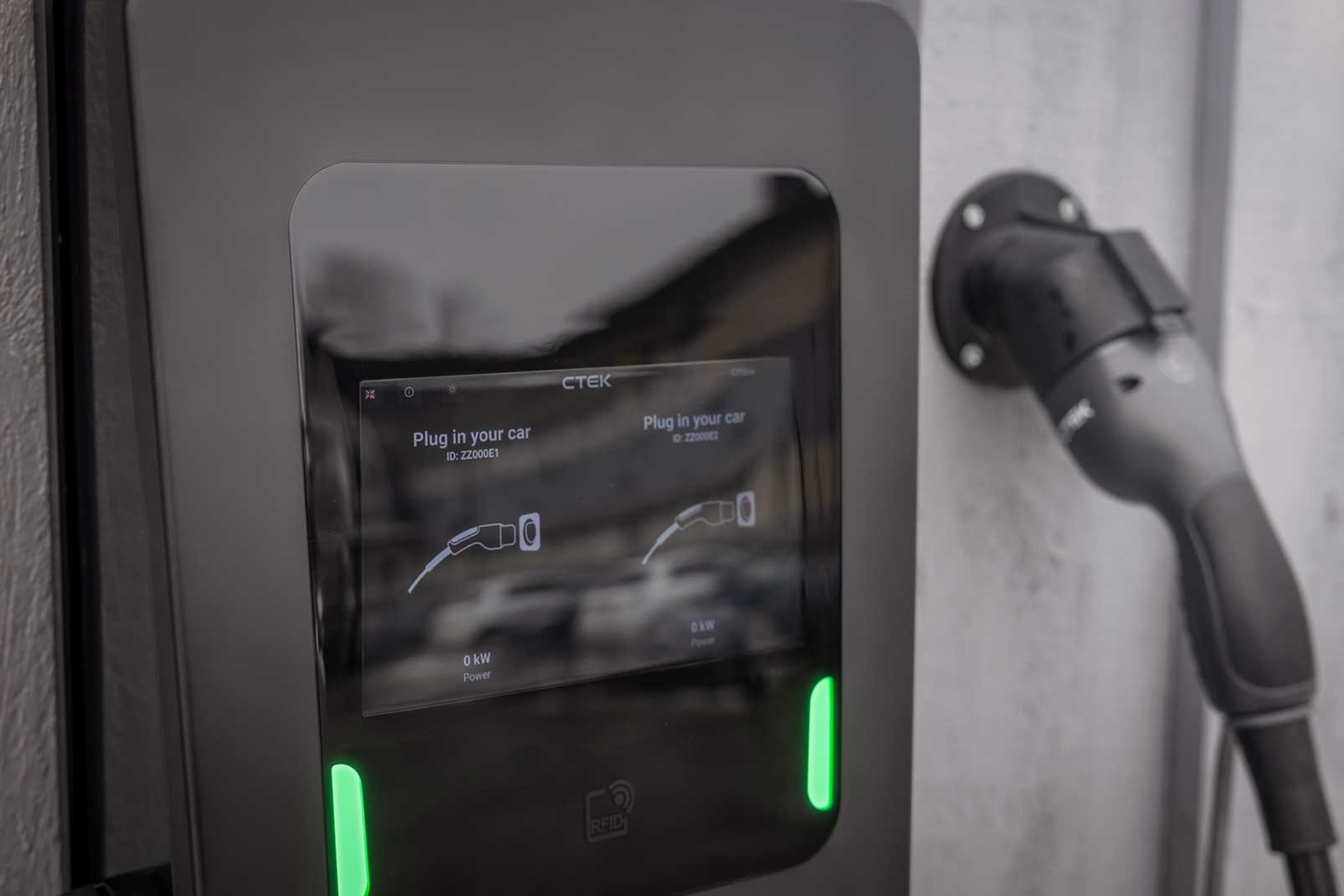
2026 is a year of great opportunities for Electric Vehicles, says Stefan Gabrielsson from the global vehicle charging brand CTEK, with a wide range of exciting new cars arriving and a new era of smarter charging possible. But to fully accelerate to electric, everyone in the EV ecosystem must encourage drivers to make the switch.
Stefan said: “Drivers are looking for the right signals – from the auto industry, from governments, from charging operators, from energy providers – to turn to electric mobility and to make the most of its potential.”
CTEK is predicting that 2026 will see significant evolutions in EV charging. Demand for public charging will continue to grow, as more households, some without off-street parking, start driving EVs and more Plug-in Hybrids (PHEVs) hit the road with bigger batteries that make plugging in worthwhile.
Charging providers will explore introducing 22kW AC charging to service the increasing number of new EVs which can accept 22kW AC. Models from Audi, BMW, Hyundai, Jaguar, Kia, Nissan, Peugeot, Renault, Volvo and VW will all be on the road in 2026 with 22kW AC charging capability.
Stefan said: “22kW AC enables quicker charging, enabling faster turnaround and increased utilisation for charging providers but with the much cheaper installation and hardware costs of AC compared to DC.”
2026 will also see smarter charging becoming mainstream. This will include more Autocharge, and then Plug & Charge, at public and workplace charging as more EVs and charging hardware and software work together to simplify the driver experience and streamline operator administration.
Public charging providers will continue to expand their networks and should ensure their ongoing maintenance in order to make the networks more robust. This will provide the foundations needed for using the latest communication standards and protocols to bring forward driver-friendly and network-friendly smarter charging concepts.
Energy suppliers will offer more smart tariffs in 2026 and will continue to experiment with ever smarter ways of charging EVs to keep the cost as low as possible and to help grids manage demand.
Stefan said: “Together with grid managers, energy suppliers should overcome barriers to smarter charging and develop Vehicle to Grid (V2G) platforms that enable EV batteries to feed energy back to the grid to smooth away peaks of demand, offer back up power for emergency situations and assist with stabilising the distribution network.”
Governments and other authorities should continue to incentivise and support charging providers to install more chargepoints and the groundworks for more to follow.
Stefan said: “Amid mixed messages from governments and the industry over the pace of transition, drivers will need clear signals that 2026 is a good year to switch to electric. That will include much more provision of public charging, smarter charging options at home and on the road, and more dynamic electricity supply tariffs to help drivers and the grid.
“If charging becomes smarter, EVs become cheaper and encouragement becomes greater, then the EV revolution can continue at full speed this year.”