
Interest in EVs driven by fossil fuel prices should prompt public charging expansion
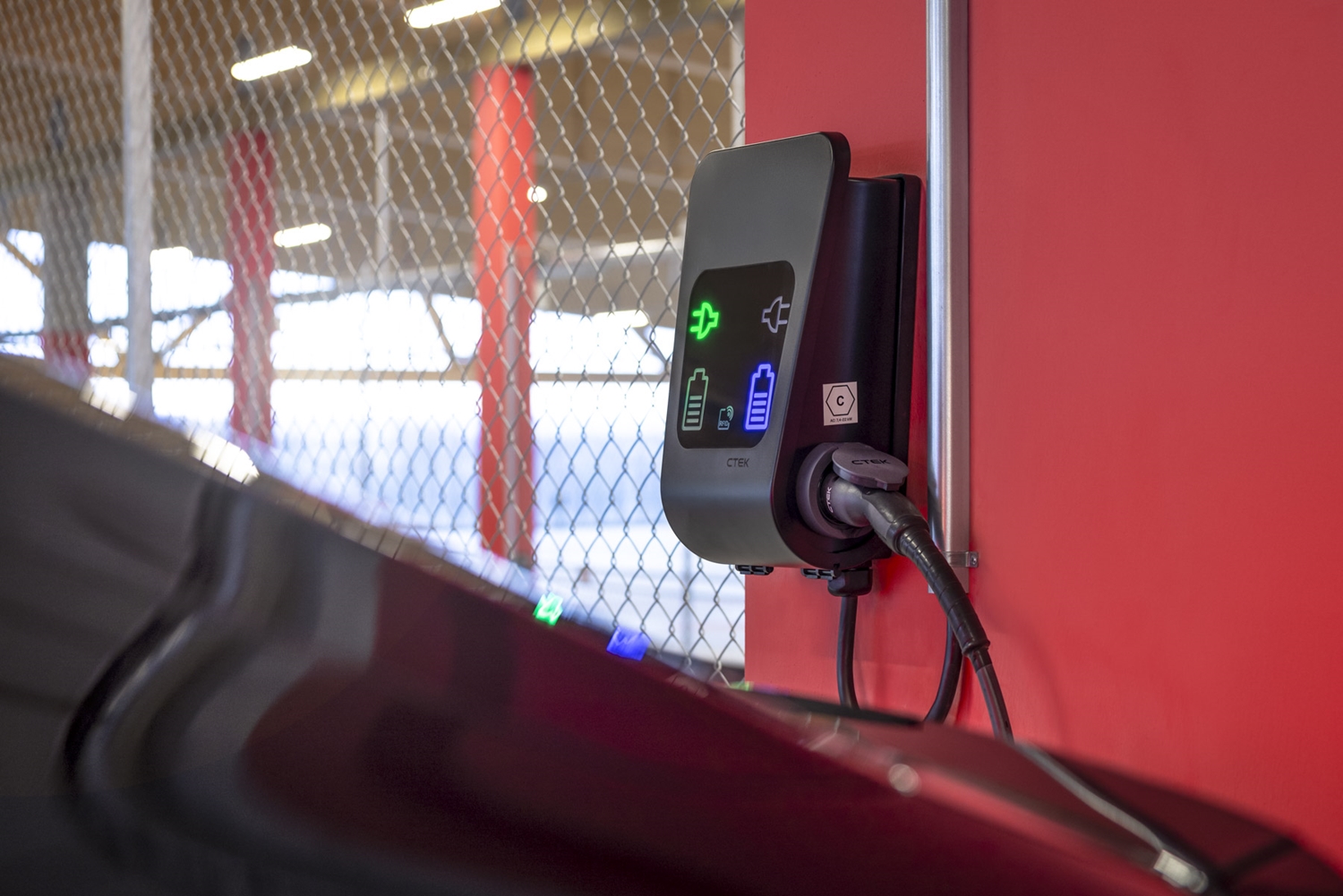
Volatility in global oil markets which has seen a spike in the price at the pumps for petrol and diesel has driven a corresponding surge in consumer interest in Electric Vehicles (EVs). What does it mean for the switch to EVs and the demand for public charging?
Drivers’ interest in EVs has surged across Europe and beyond since conflict erupted in the Middle East. Big rises in the prices of a litre of petrol or diesel have seen more drivers investigating the advantages of electric mobility.
Would be car buyers are searching for EVs online in greater numbers, both for new models and used bargains.
Germany’s biggest online car marketplace Mobile.de reported EV enquiries up by more than 50 per cent. Carwow saw a 20 to 30 per cent increase in EV enquiries in its three markets of Germany, Spain and the UK. And the French marketplace La Centrale reported that EV searches had more than doubled.
With Autotrader revealing that the average price of new EVs in the UK is now below that of the average cost of new petrol-fuelled ICE (Internal Combustion Engine) cars, household budget calculations are being firmly steered towards electric.
It appears that EV doubters worried about ‘range anxiety’ are now EV curious thanks to ‘pump price anxiety’. But if all the enquiries and demand shifts translate into actual EV sales, what does that mean for public charging infrastructure?
In a word: expansion. The PwC consultancy Strategy& found Europe's top five markets delivered a record-breaking first quarter of 2026, with fully electric BEV sales up 36 per cent year-on-year and BEV’s market share hitting an all-time first quarter high of 19 per cent.
In the UK the Society of Motor Manufacturers and Traders (SMMT) said March 2026 was “the best month on record for electrified vehicle volumes”. Battery Electric Vehicles (BEVs) reached a new record, up 24.2 per cent to 86,120 registrations in the month.
If, as expected, those increases are sustained across the spring and into summer, there will be a lot more EVs on the road which will mean a substantial and sustained increase in demand for public charging. Not everyone can have a charger at home and even those that do rely on public charging for long journeys and holidays.
Energy management system firm gridX recently published in its 2026 Charging Report showing Europe’s e-mobility market is maturing, with public charge point expansion slowing but still growing, with more than 1.2 million public charge points now deployed.
Stefan Gabrielsson, Product Business Owner at CTEK, said: “Accelerating EV sales will inevitably increase charging demand. And whilst progress on public charging in the UK has been good, it can and must be even better in the near future.
“Simply adding more chargers will not be sufficient, however. The public charging network must continue to improve its reliability through smarter connectivity and functionality which anticipates and responds to the evolving nature of EV charging, including Autocharge, Plug & Charge and Vehicle to Grid (V2G) technology.”