
The new electric car premium needs charging infrastructure to maximise its impact
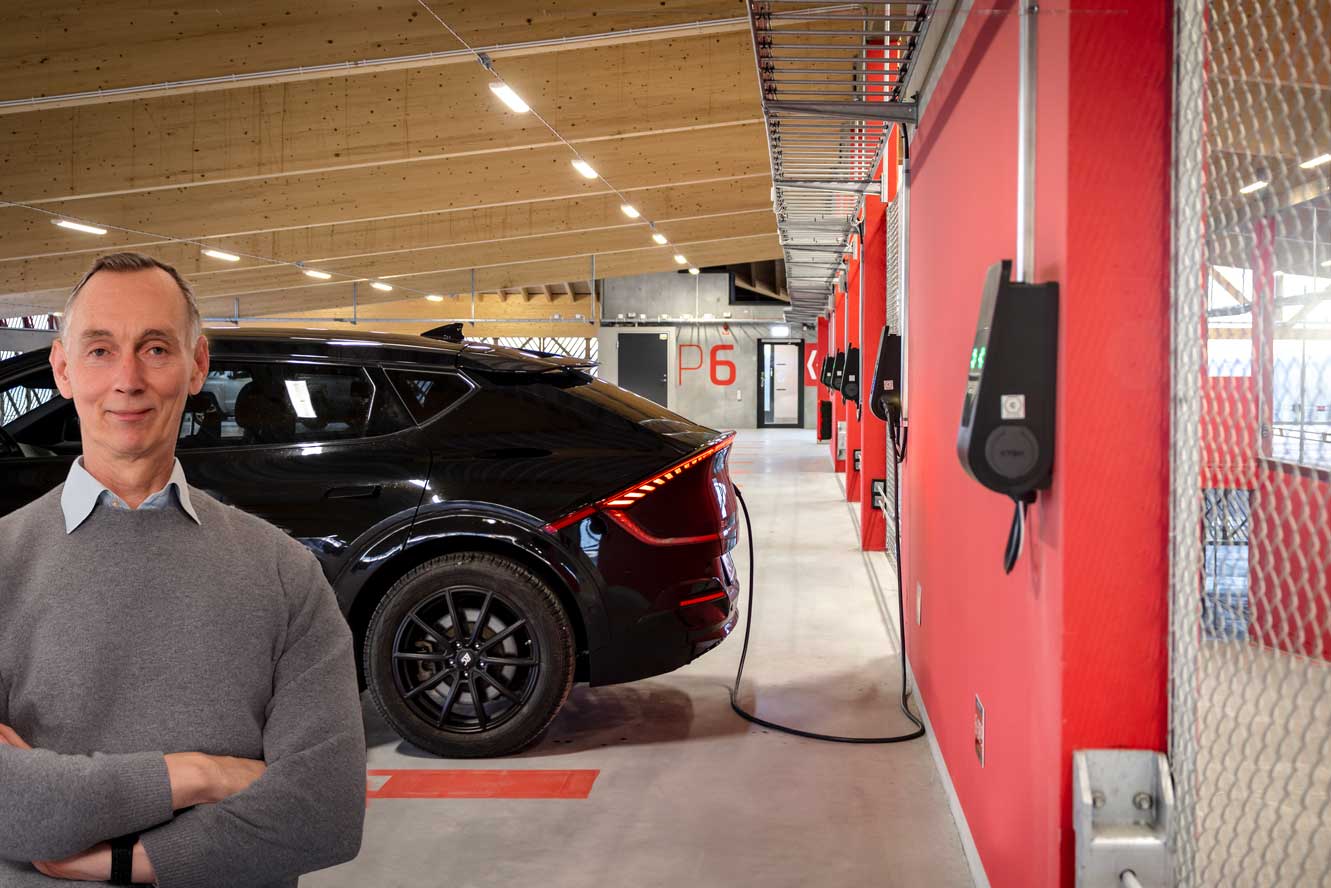
By Stefan Gabrielsson, Product Business Owner at CTEK
Sweden’s new targeted subsidies for low-income buyers of new and used Electric Vehicles (EVs) with limited access to public transport have made a fast start towards successfully increasing the number of fossil fuel-free cars in the nation’s fleet.
Coupled with ongoing support for EV charging infrastructure, the subsidies look set to contribute significantly to the switch to sustainable transport in an era of fossil fuel price shocks.
The new scheme is focused on helping people with lower incomes who cannot easily use public transport due to their location. The discount of SEK 46,800 is for households whose total income is less than 80 percent of the Swedish average. Those earning less than 50 percent of the average can also receive a supplement of SEK 18,000.
One month into the new electric car subsidy and already it is proving popular. During the first month 5,370 applications were received, already exceeding the total applications generated by the scrapping subsidy during its lifetime.
If the application rate continues, 100,000 Swedish households with below average incomes will have been supported to buy or lease a new or used EV by 2029.
Of those 5,370 applications almost 2,500 have been approved, a third have been rejected (mainly because they do not live in an eligible location or have too high an income) and the rest are still being processed. Almost 40 per cent of the applications approved so far are for households earning less than half the national average income.
The subsidy scheme’s design chimes with the EU's Social Climate Fund, which aims to make it easier for households with limited resources to travel sustainably. It also creates the opportunity to invest more in charging infrastructure across the country.
As the new subsidy will create more EV drivers in sparsely populated areas, this is a good time to expand destination charging and charging points at apartment buildings. This is further strengthened by the ‘Right to Charge’ coming into force on May 29th – a new law that gives residents of both condominiums and rental apartments the right to demand a charging point at their parking space, something that condominium associations and property owners cannot normally refuse.
There are also additional forms of financial support for: private individuals installing their own charging point; condominium associations and property companies that want to install charging; and public charging infrastructure.
Against a backdrop of geopolitical upheaval and spikes in fossil fuel prices, the expansion of EV charging infrastructure in rural areas will increase social resilience.
The new electric car premium and ongoing support for charging infrastructure will help all residents of Sweden – regardless of income location or housing type – drive electric, the more resilient choice in what are troubled times.